
The Linköping-based startup Sonicflora has secured SEK 2.7 million in its first round of capital. The investors consist of Almi Invest, LiU Invest and several business angels. – “The support from LEAD has been great from day one. The fact that we had the opportunity to participate in the BootUp program made this possible,” says CEO Robin Jansson.
Sonicflora is developing an AI-powered platform that helps growers detect problems in crops before they become visible. Using proprietary ultrasonic sensors, the system can ‘listen’ to plant signals and identify early signs of pests, nutrient deficiency or drought. By acting quickly, growers can both increase yields and improve profitability – at a hardware cost that is the lowest on the market per cultivated area.
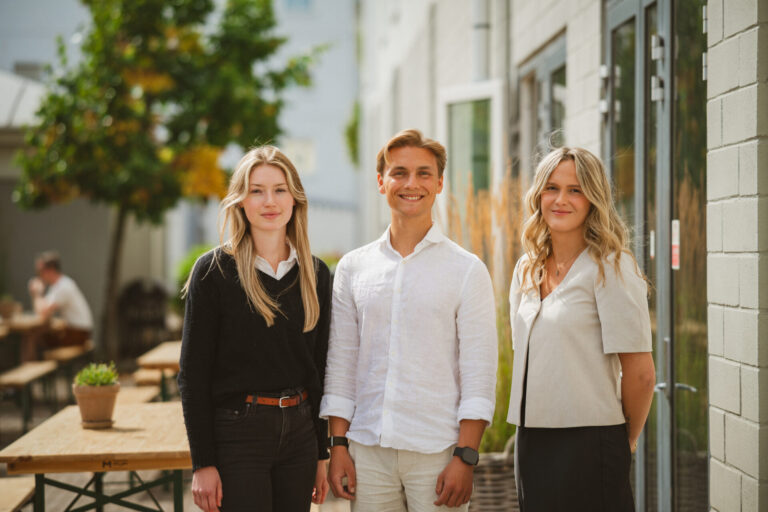
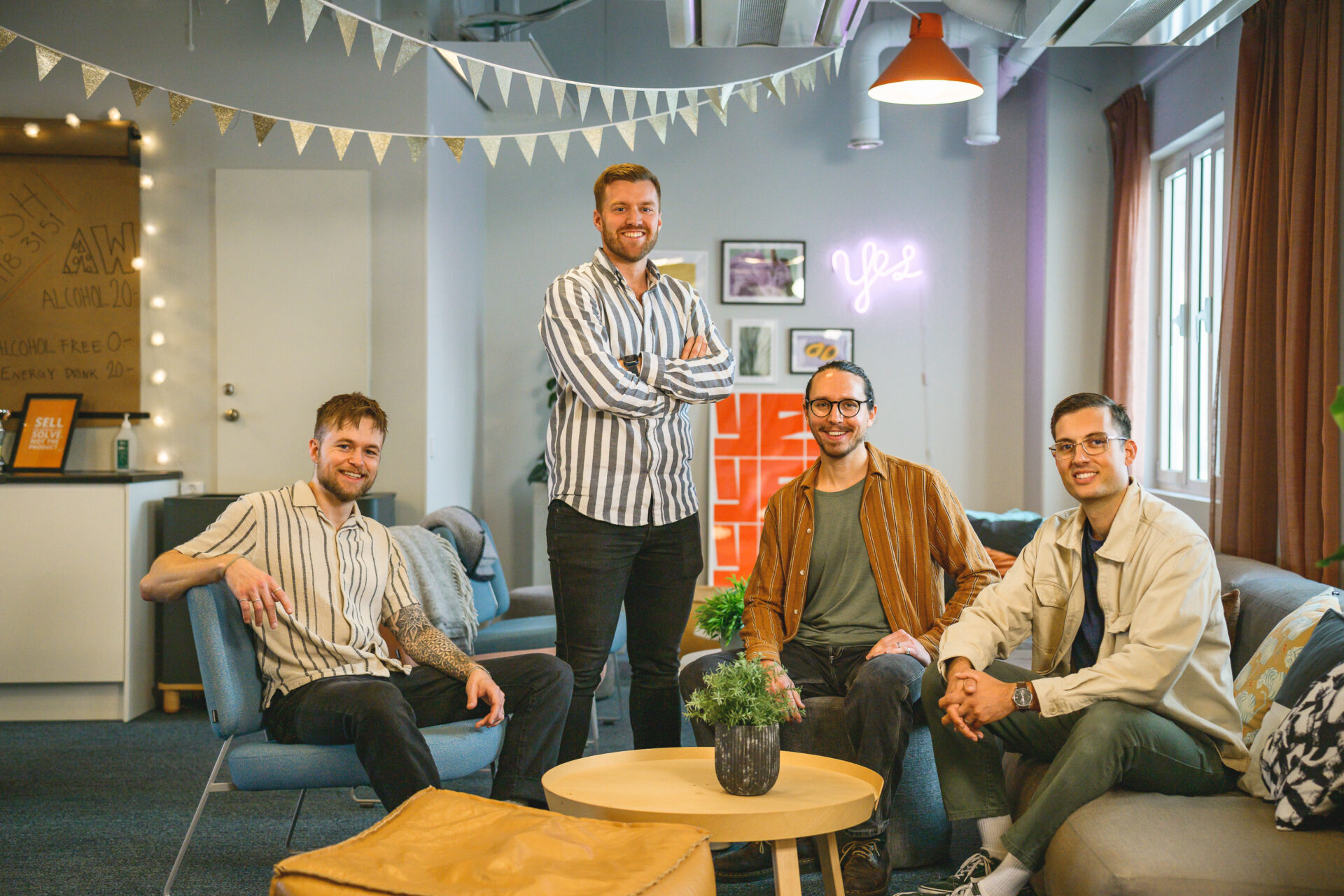
Behind the company are Robin Jansson, Henrik Niss-Masharqa and Oscar Davidsson – alumni from LiU and KTH – whose paths crossed during BootUp, a business program at LEAD that targets early startups.
The project received early support through Agtech Sweden, an initiative at Linköping University, and has now geared up with commercialization plans after a successful capital round.
– It has gone fast since we started for real, about a year ago, and we have managed to do a lot with limited resources. Being able to focus on Sonicflora full-time is actually quite incredible, and a goal that both me, Oscar and Henrik have had since we decided to invest. The focus going forward is about building, and proving what we should, and can do,” says CEO Robin Jansson.
– “Sonicflora shows how new technology can create value both for growers and for sustainable food production. We at LEAD have followed their journey from idea to market plan, and it is inspiring to see their combination of drive, innovation and ability to translate knowledge into practical benefits,” says Catharina Sandberg, CEO of LEAD.
For Sonicflora CEO Robin Jansson, it’s not just about technology development, but about changing the way growers interact with their crops:
– “We want to give growers a deeper understanding of their plants than ever before. With this investment, we will have both the capital and the expertise to develop the technology further, complete pilot tests and move into the market,” he concludes.