
For 20 years, SommarMatchen has given LiU students the opportunity to work with research findings and explore their potential for commercialization. Since its inception, approximately 340 students and 225 research cases have participated in the program, which is run in collaboration between LEAD, Unitalent, and Linköping University.
– The reason it started was that there was a shortage of entrepreneurs in the region. They are needed to take the university’s research findings further, with the aim of creating products and services that benefit society.
This is according to Arne Jacobsson, a patent advisor and business developer at LiU Innovation, who helped develop the program at the former student incubator Venture Zone.
In addition, more research findings needed to be evaluated based on their commercial potential.
“So a summer program was launched to pair students with researchers. At that time, there was nothing like it in Sweden,” says Arne Jacobsson.
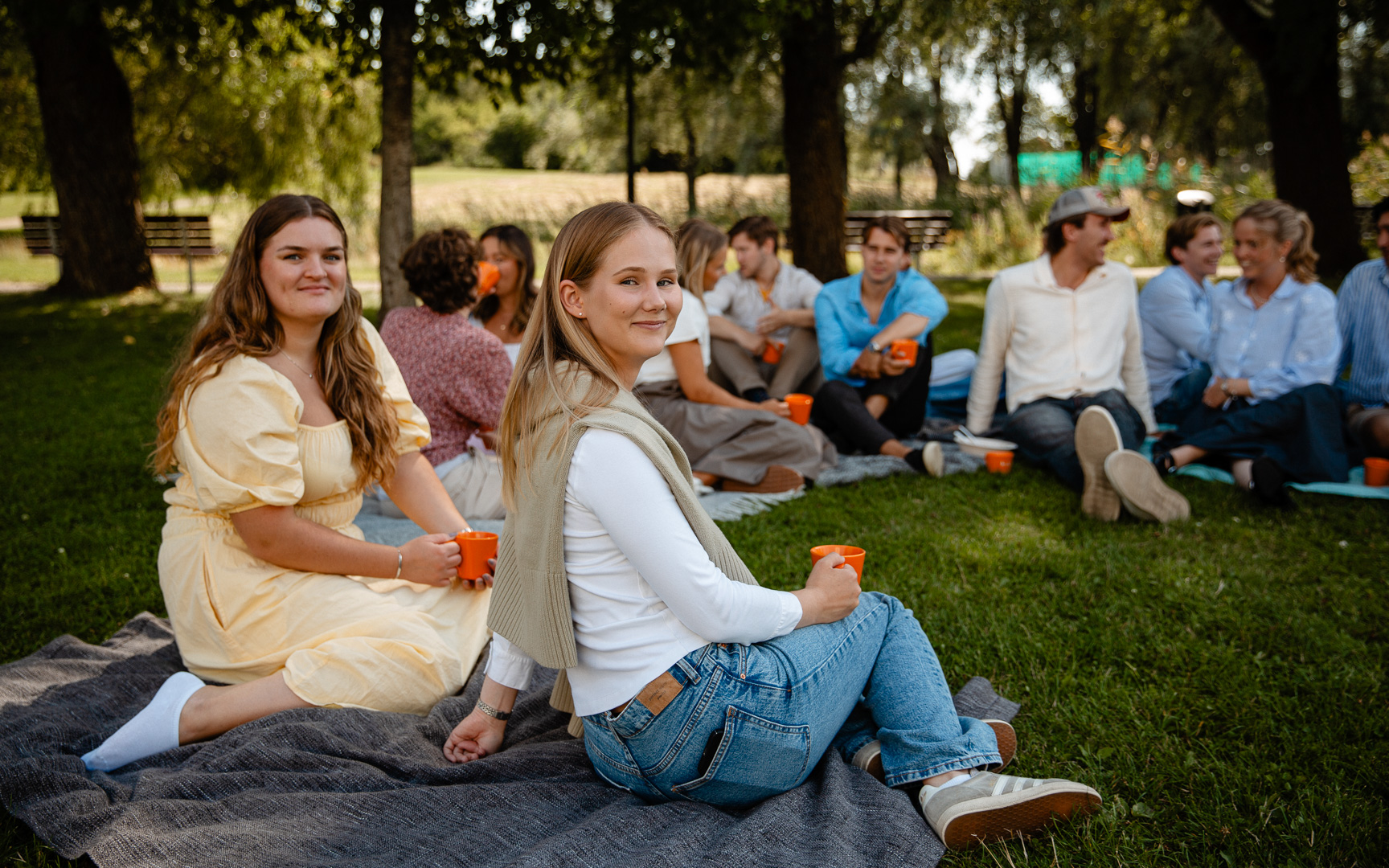
In the SommarMatchen program, students work in pairs for five weeks during the summer with a selection of researchers and their research findings to investigate whether there is market potential. The program attracts many applicants every summer—up to 300 students compete for about 20 spots.
“SommarMatchen has truly produced many great results. Several of the ideas that were part of SommarMatchen are now companies, and some of the participating students have chosen an entrepreneurial path after graduation,” says Catharina Sandberg, CEO of LEAD.
Today, similar programs exist at several universities across the country, and SommarMatchen has also inspired other countries.
“The positive results from our investment in SommarMatchen have, over the years, also inspired other university-affiliated holding companies and innovation offices, even outside Sweden, which is very gratifying,” says Johan Lilliecreutz, CEO of LiU Holding.
Today, the program is run by LEAD and continues to focus on helping researchers understand the market and the potential of their ideas, with the help of students.
An idea with potential
One of this year’s cases in the SommarMatchen competition focused on a new technology for quickly detecting bacteria in wounds. The research findings come from Professor Daniel Aili and Associate Professor Johan Junker at Linköping University. While current laboratory analyses can take two to three days, the goal is for the new technology to provide results in just a few minutes.
“It was very inspiring to work on a research finding that could potentially influence how we use antibiotics, both in Sweden and around the world,” says student Arvid Kylberg, who worked on the case alongside his program partner Emma Huynh, who is also a student at Linköping University.
Nearly 60 interviews
So how do you determine whether there is actually a need and a demand for a research finding? For Arvid and Emma, this involved conducting nearly 60 interviews with, among others, wound care nurses and doctors—an effort that was appreciated by researcher Daniel Aili.
“As researchers, we find it very difficult to set aside time to call around and talk to lots of people to get a sense of how commercially viable the idea is. Arvid and Emma have done a fantastic job of reaching out to people on their own and digging deeper,” he says.
He also believes that the results are valuable regardless of whether they lead to commercialization or not. Daniel has had several research projects in the SommarMatchen program, and in a previous project, the conclusion was to abandon the commercial track.
– It’s just as important to get feedback on whether it’s worth moving forward or not.
He also says that the results provide a solid foundation for future pitches and funding applications when building a company.
– Instead of spending several hundred thousand kronor on a consultant, SommarMatchen is a great way to get an initial sense of an idea. You can get feedback from the market, start putting together your pitch materials, and gather supporting documentation when you’re seeking funding. It’s invaluable.
A Different Kind of Summer Job
For Arvid Kylberg, it wasn’t just the research idea that made the summer special. SommarMatchen gave him the opportunity to influence the direction of the project himself, and he also got to work with other students who shared his interest in innovation.
– The best part was being able to run a project with so much freedom and having a say in the direction it took. It really gave me a taste for life as an entrepreneur. Plus, we students had a fantastic time together—everyone wanted to help each other, which contributed to a creative work environment with an open, supportive atmosphere.
Catharina Sandberg, CEO of LEAD, believes that the program serves the same purpose today as it did when it was launched twenty years ago.
– We’re always looking for entrepreneurs who can take research ideas from the lab to the market. SommarMatchen, along with our trainee program Entrepreneurs in Residence, is a major part of that effort.

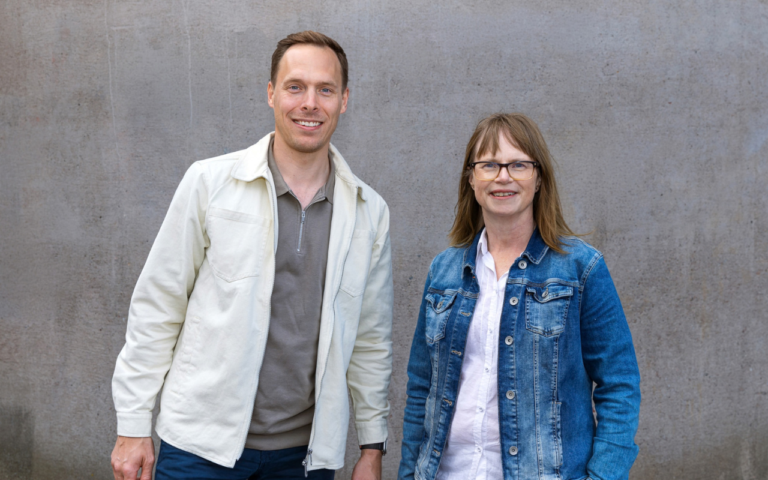
Students Arvid Kylberg and Emma Huynh, along with researchers Johan Junker and Daniel Ali