
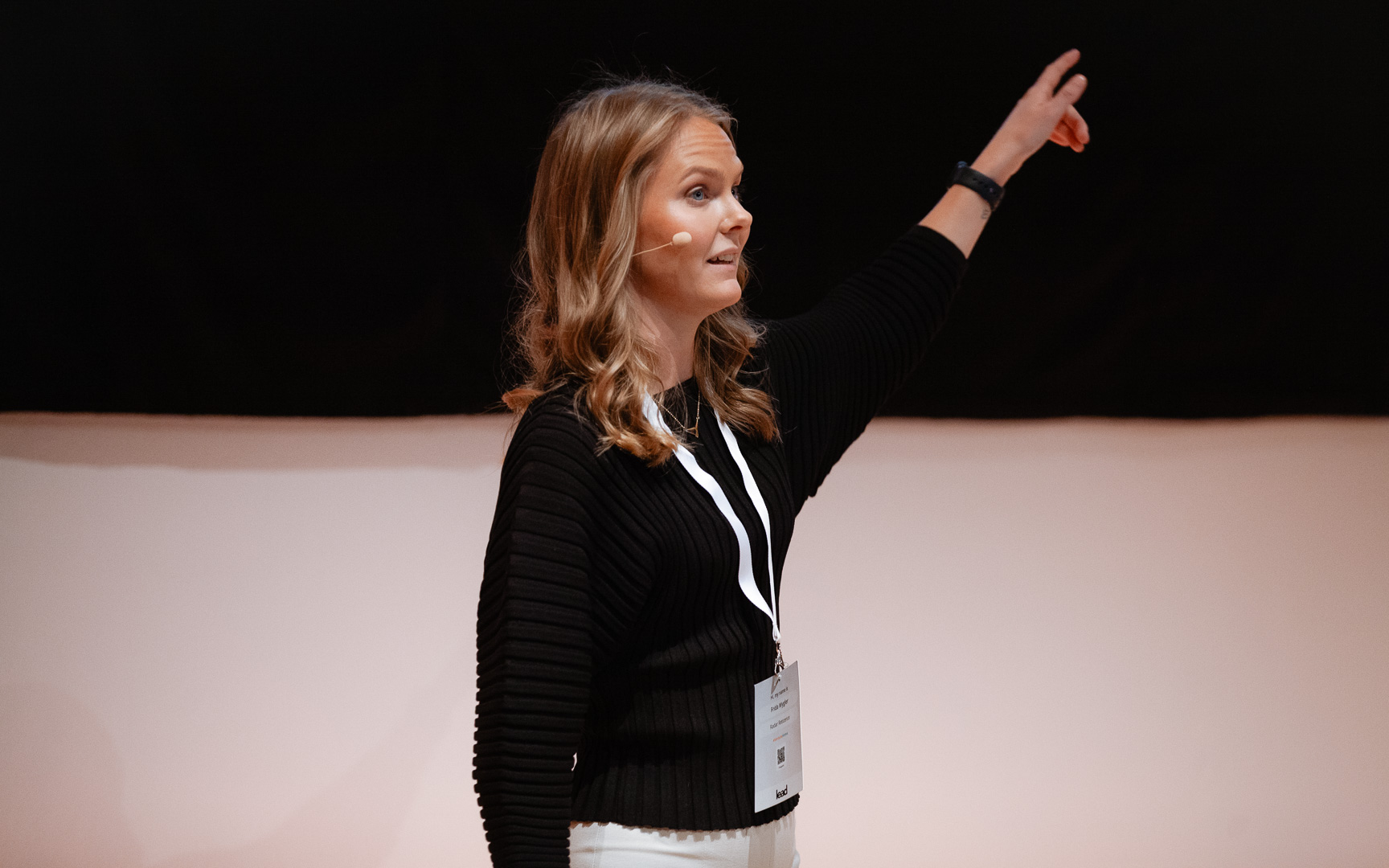
Is entrepreneurship in your DNA? When you meet Frida Wygler, it almost seems so. Growing up in a family of entrepreneurs, she describes herself as someone who constantly seeks challenges and loves to push things forward. For Frida, the risk and uncertainty that comes with building something from scratch has never been an obstacle – rather part of the fun. The challenge was just to find the right idea to invest in.
– “I always thought that to be an entrepreneur I needed to come up with that great product idea myself. I’ve tested my own ideas, asked friends and family, but it’s never really felt one hundred percent,” says Frida, who is now CEO of the start-up company Radar Reticence.
But the road there began by chance. During her time as a student on the Industrial Economics program at Jönköping University, Frida heard about LEAD’s trainee program Entrepreneurs in Residenceand realized that she could become an entrepreneur without having to find the perfect idea herself.
– “It was a no-brainer to apply,” says Frida. The program gave her a chance to work with different ideas and technologies, along with support from experienced business coaches. Here she came into contact with the researchers behind the Radar Reticence technical solution and soon realized that she had found the perfect idea.
Solving one of the automotive industry’s biggest challenges
Radar Reticence has a clear mission: to solve interference problems in automotive radar. It is about improving the reliability of radar technology in a world where more vehicles than ever are equipped with radar for safety and autonomous functions. The problem arises when multiple radars use the same frequency band, which can lead to interference that jeopardizes everything from emergency braking systems to autonomous driving technologies.
– “Our solution is about efficiently using the frequency bands and eliminating interference,” Frida explains. The technology, developed by researchers from Halmstad University, enables car manufacturers to improve both the safety and performance of their vehicles.
– As more regulatory requirements drive development, and more radars are installed in vehicles, this becomes a critical issue for the whole industry, she adds.
A strong team and a clear vision
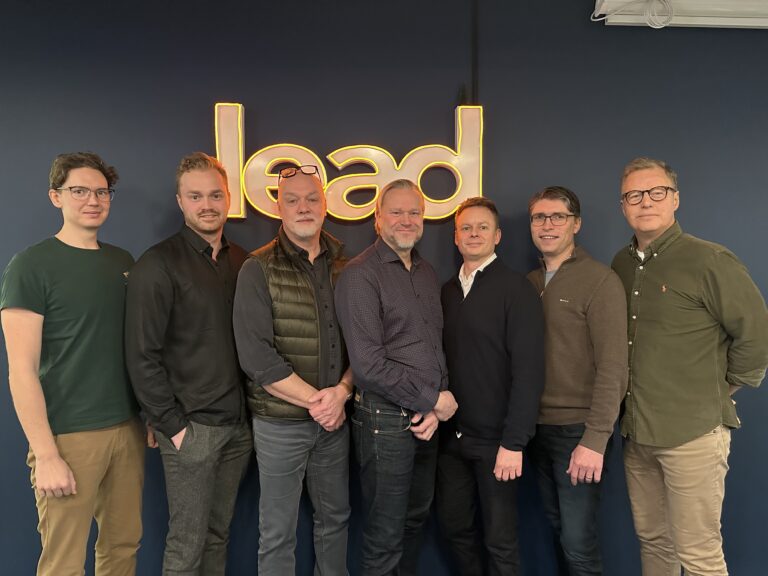
For Frida, it’s not just the technology that makes Radar Reticence unique – it’s also the people behind it. The team consists of technical experts such as Hans Hellsten, Emil Nilsson, Leif Haglund and Ola Nygren, all of whom have a solid background in signal processing and radar development. Together they have created a dynamic and forward-thinking culture.
I love working with this team. Everyone is incredibly competent and motivated, which means that we can really invest in becoming a leader in the industry,” says Frida.
With the support of LEAD’s network and financiers such as Vinnova, the company has been able to maintain a high pace in its technology development. One example is the collaboration with Nira Dynamics and Halmstad University in the Vinnova-funded project SCARCE, where the company’s technology is tested and validated in real environments.
The future of Radar Reticence
Frida has big plans for the company. In the short term, she wants to continue developing the technology and testing it in real-world environments. Tests are already being carried out at test facilities, but the long-term goal is to see the company’s solutions implemented in cars around the world.
– I see a future where our technology becomes an integral part of autonomous vehicles and safety solutions,” she says.
To achieve this, Radar Reticence is actively looking for more partners.
– We would like to find more projects with stakeholders where we can scale up and show what our technology can do.
Text: Maja Meurling / Visual Sweden