
Photo: Elzanne Engel
Swedish technology company Qulinda started its journey on the Kenyan savannah with a clear goal: to protect rhinos from poaching. Today, the company is based in Linköping, Sweden, and its AI-powered camera technology and tracking tags are in demand by everyone from predator researchers to farmers.
It started in 2014 with an unexpected request from a think tank in the US. Fredrik Gustafsson, professor of sensor informatics at Linköping University, was invited to a rhino sanctuary in Kenya to help combat poaching through technological solutions.
– It was such a different request that I could not refuse. I had never been to Africa before, and when I got off the plane I was picked up by soldiers with automatic weapons who drove me to the zoo,” he recalls.
Several visits a year
Fredrik was tasked with investigating the state of the art and what Western solutions could be used for camera surveillance of the reserve. He soon realized that he wanted to be involved in developing the technology himself. This work has now been going on for ten years and has involved many trips back to the zoo.
– “We are now in the fourth generation of camera and tracking tag systems, based on an app-based solution where radar technology is the central component,” he explains.
More uses
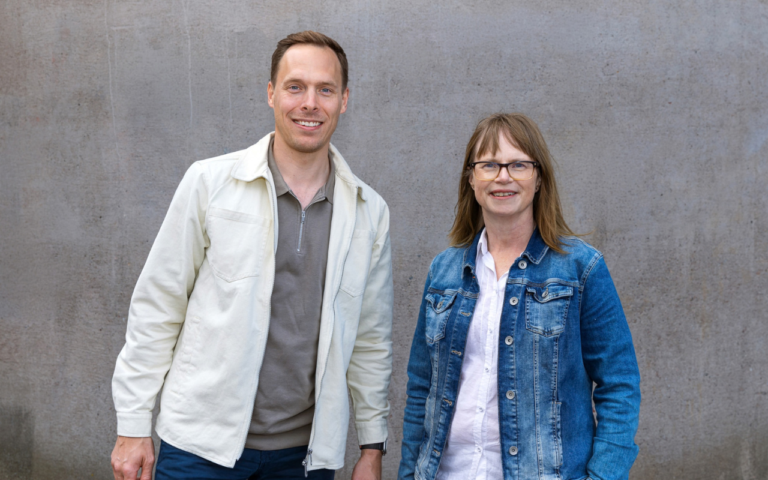
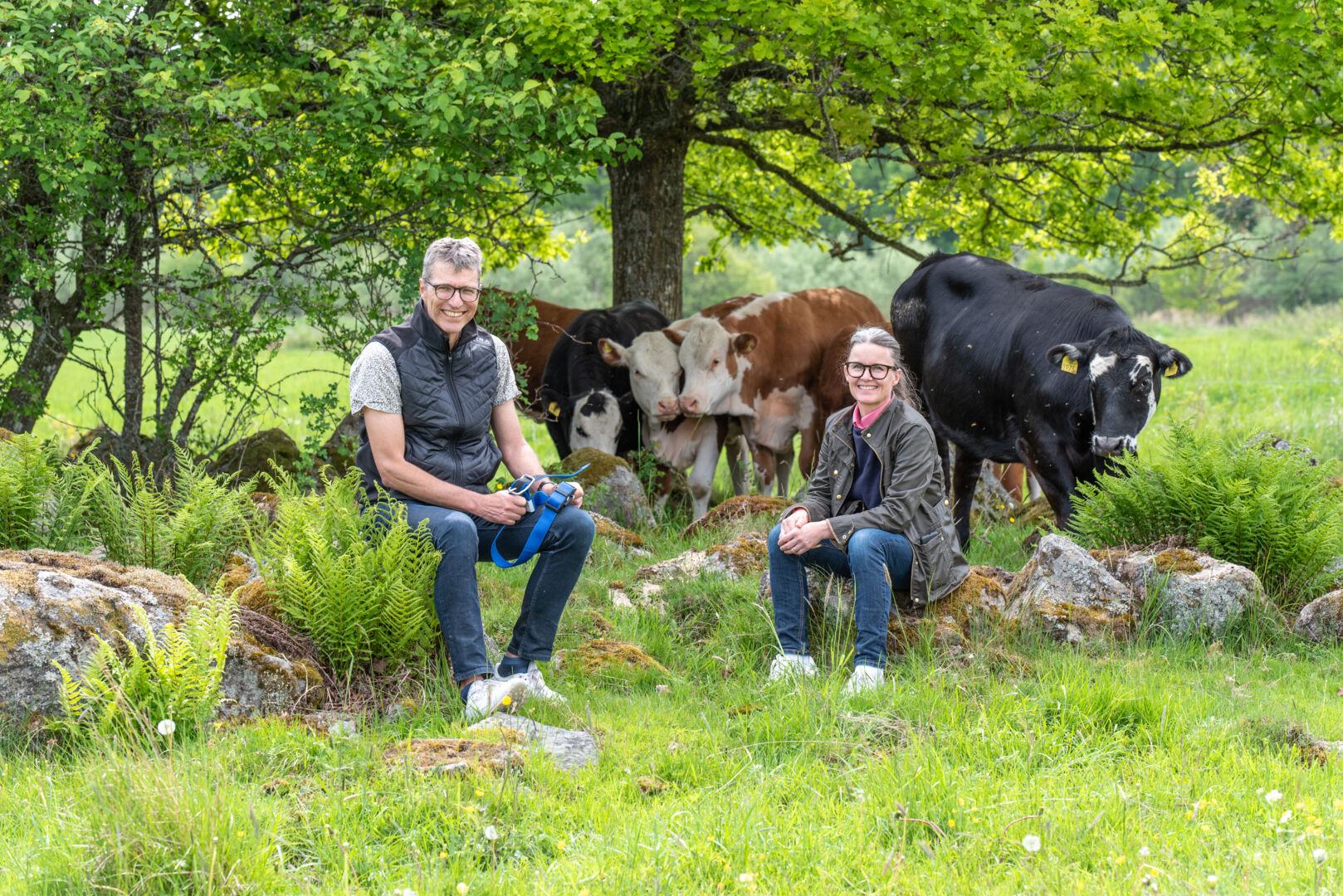
As the software became more advanced, Fredrik realized that the technology could have more applications – even at home. In 2019, he met Matilda von Rosen at an agricultural fair in Hannover. Together, they decided to commercialize the system for Swedish farmers, and the company Qulinda was founded – a name that means “to protect” in Swahili.
The first customer was Linköping Municipality, which wanted to use the technology to keep track of grazing animals in Tinnerö.
– It was great that the municipality saw the possibilities so early. The technology is flexible and can easily be adapted for new purposes, which opens up a lot of possibilities,” says Matilda.
Switching up
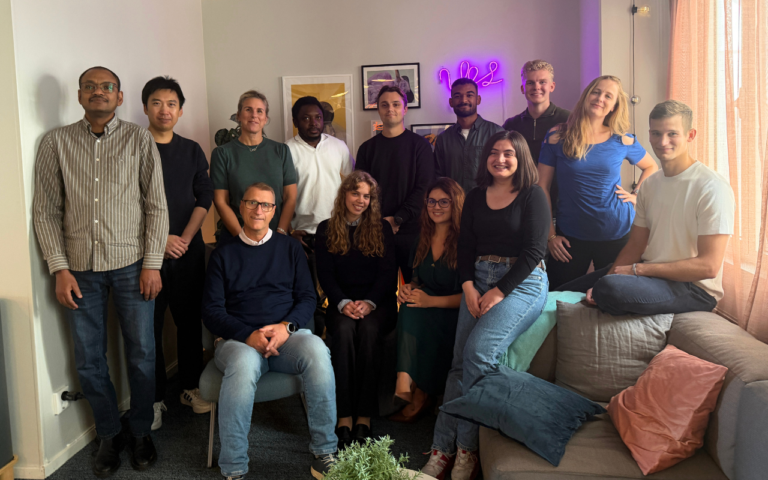
Since 2022, Qulinda has been a member of LEAD and aims to scale the company in several areas. The team currently consists of eight people, including a salesperson, UX expert and a marketing manager.
– It’s great to see us growing! In addition to our regular activities, we are also involved in several exciting research projects,” says Matilda.
One of the projects is in collaboration with the World Wildlife Fund, where Qulinda’s cameras are used to protect domestic animals from predators. The company has also been granted funding from the Swedish Board of Agriculture’s EIP-Agri program to further develop its smart wildlife cameras, which can alert farmers when wild boar, moose or other animals move in the fields.
– “With the help of researchers at Linköping University, we are training the cameras to identify specific animals and automatically alert the farmer,” Fredrik explains.
Continuing work in Africa
While expanding in Sweden, Qulinda continues its work in Kenya, and for a few years now also in South Africa.
– Unfortunately, poaching is still a major problem in these countries, but technology has evolved and we can now offer even more effective solutions that make a difference. In one park in South Africa, our system has enabled park rangers to act on poachers on a dozen occasions in just under a year and a half. It is therefore important to continue this work,” says Matilda.
Fredrik nods in agreement.
– The animals and our work teams in Africa mean a lot to us. It’s really quite amazing what that invitation ten years ago led to.